An experiment within the DFL.
Project coordination: José Pedro Sousa
Design team: Pedro de Azambuja Varela, Pedro Martins
Photographs: Carlos de Albuquerque Castro
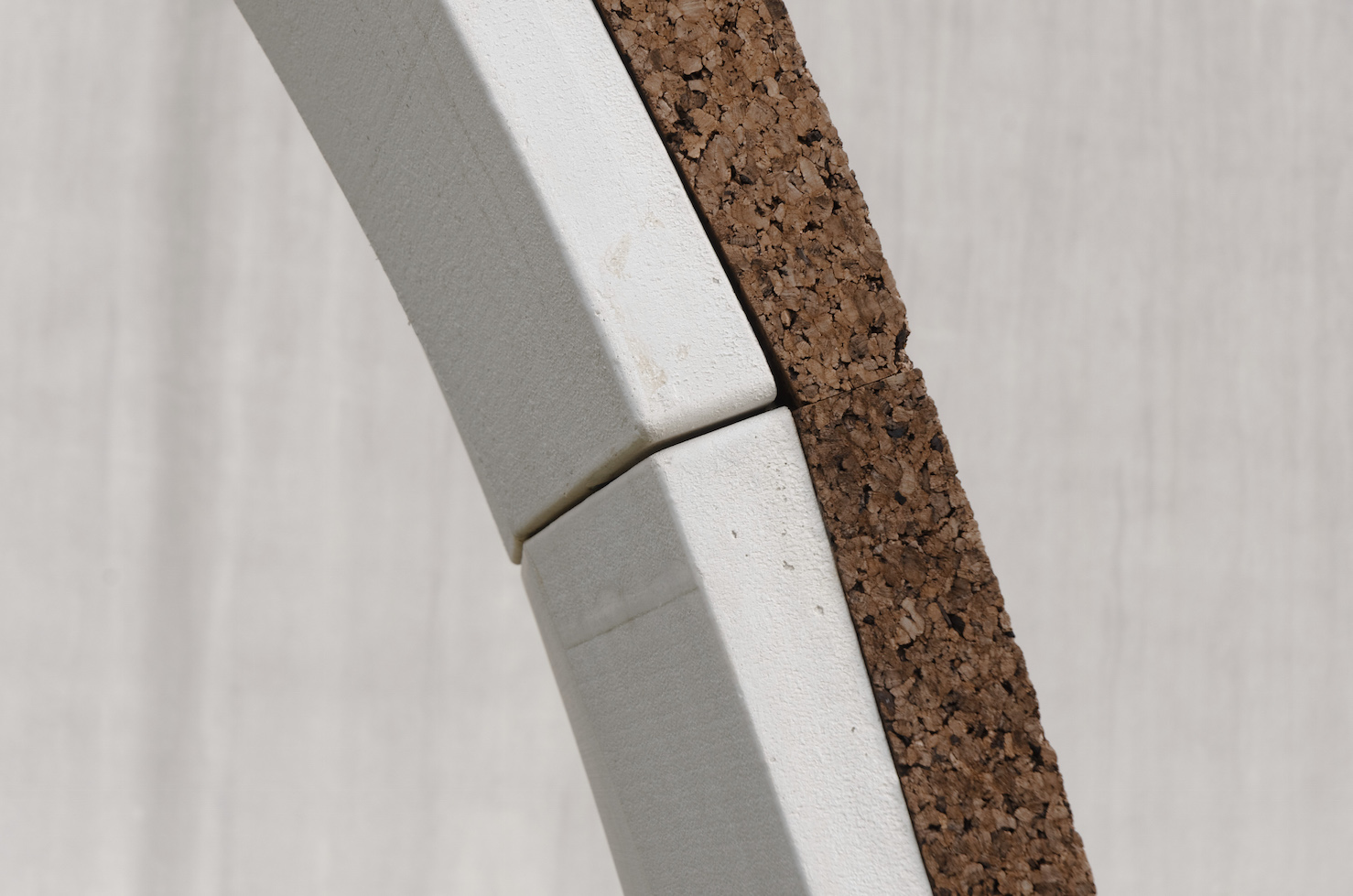
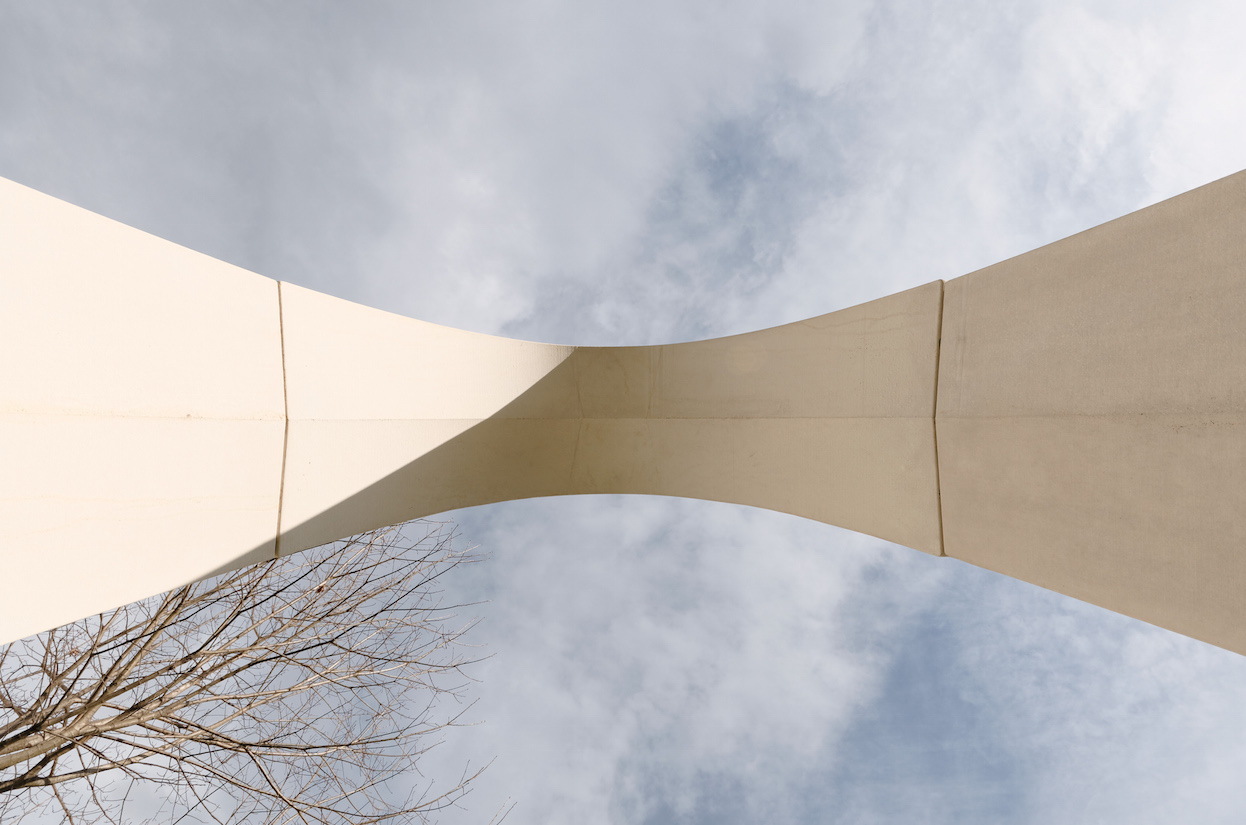
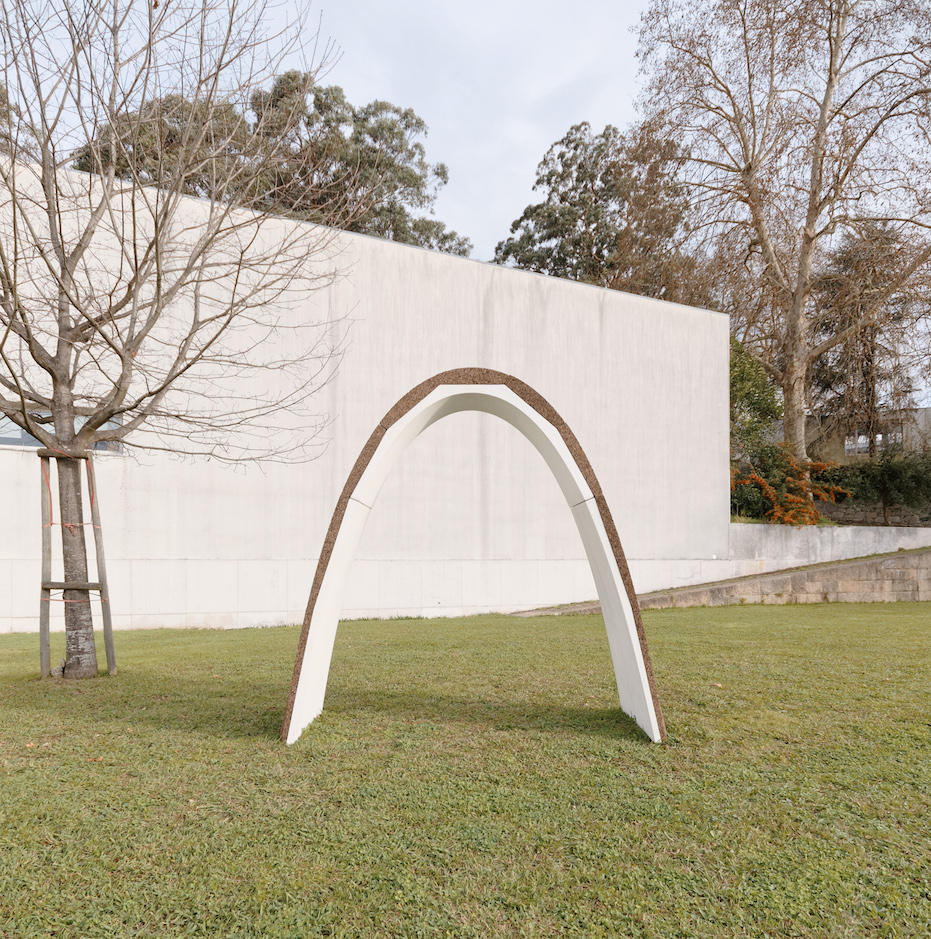
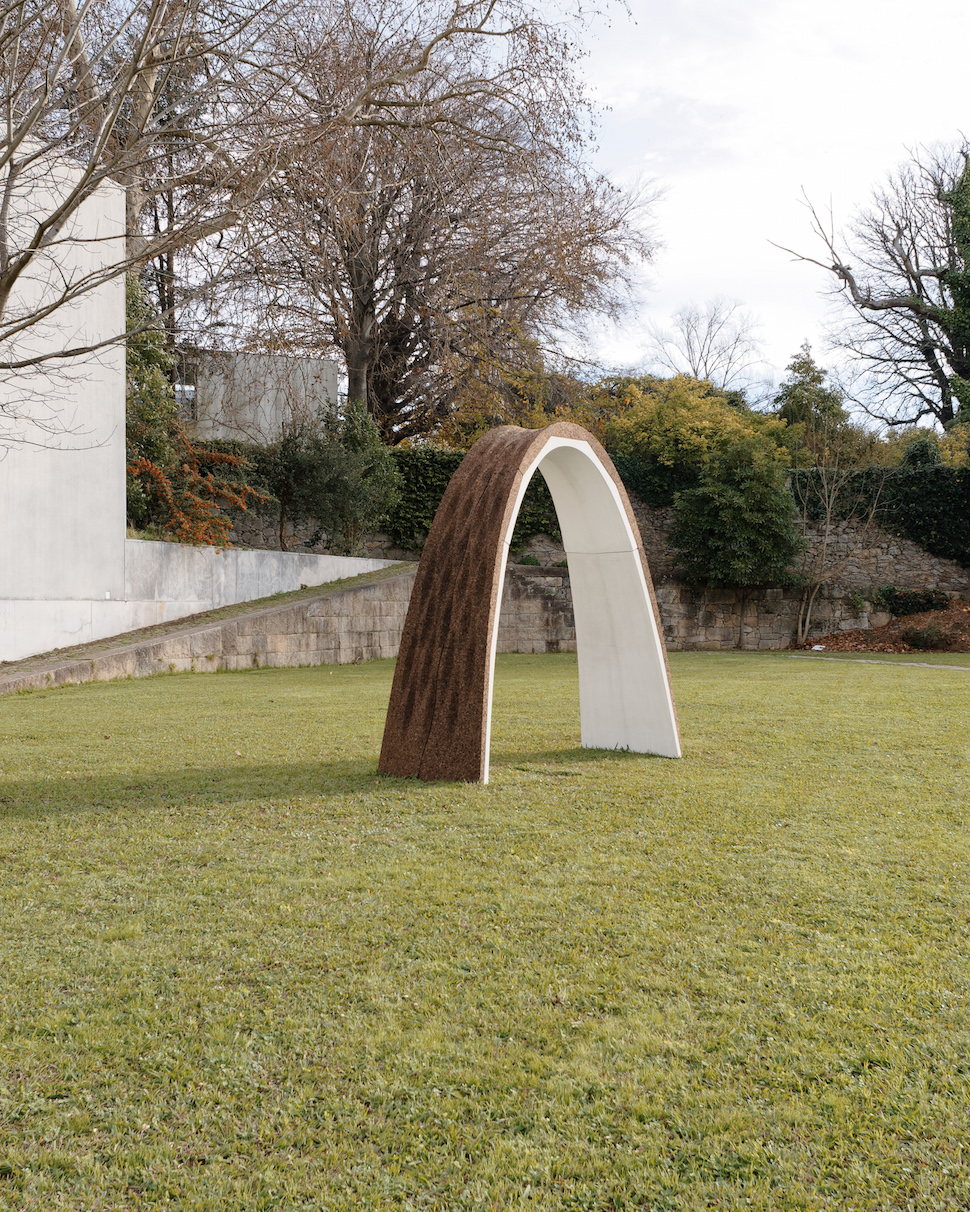
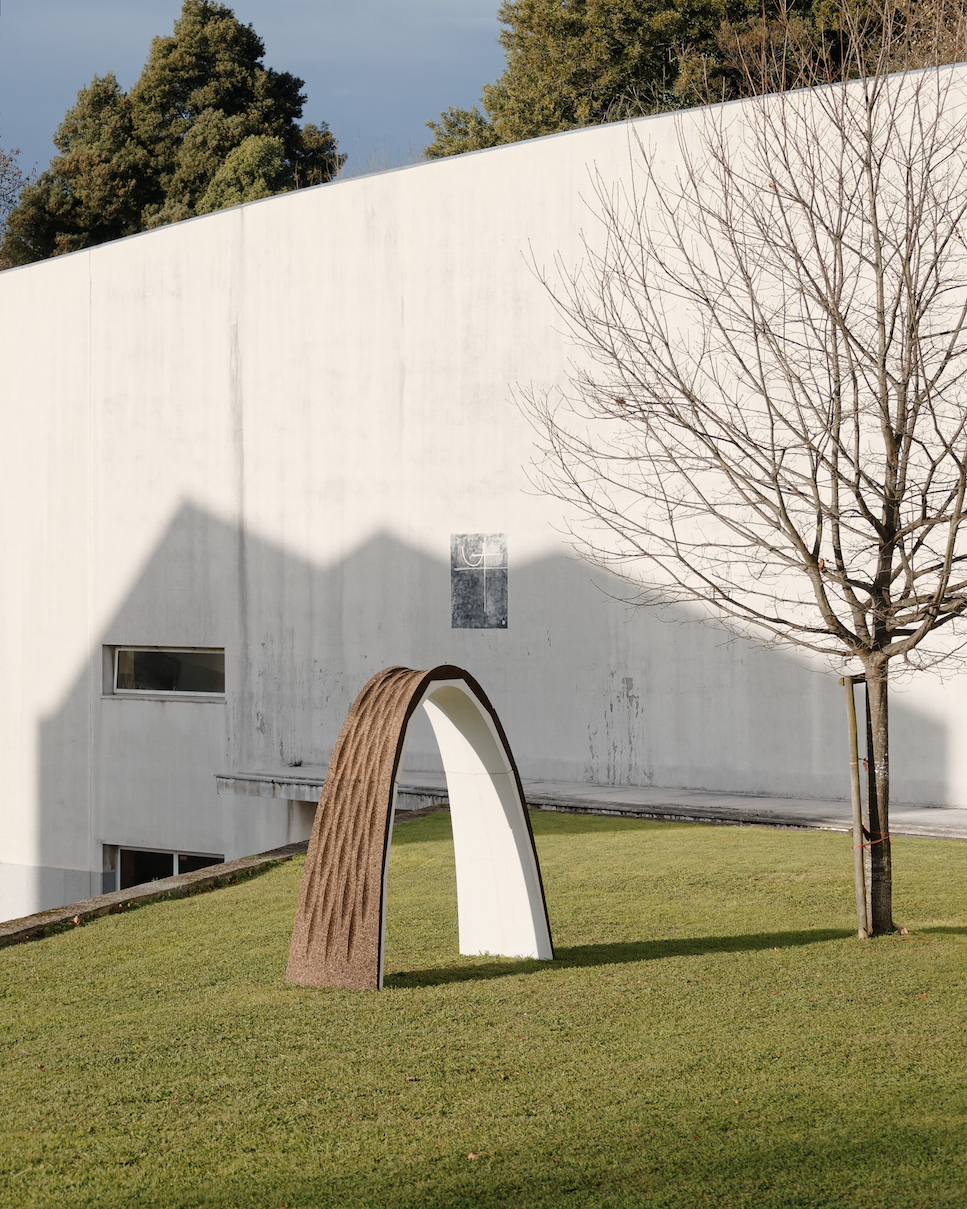
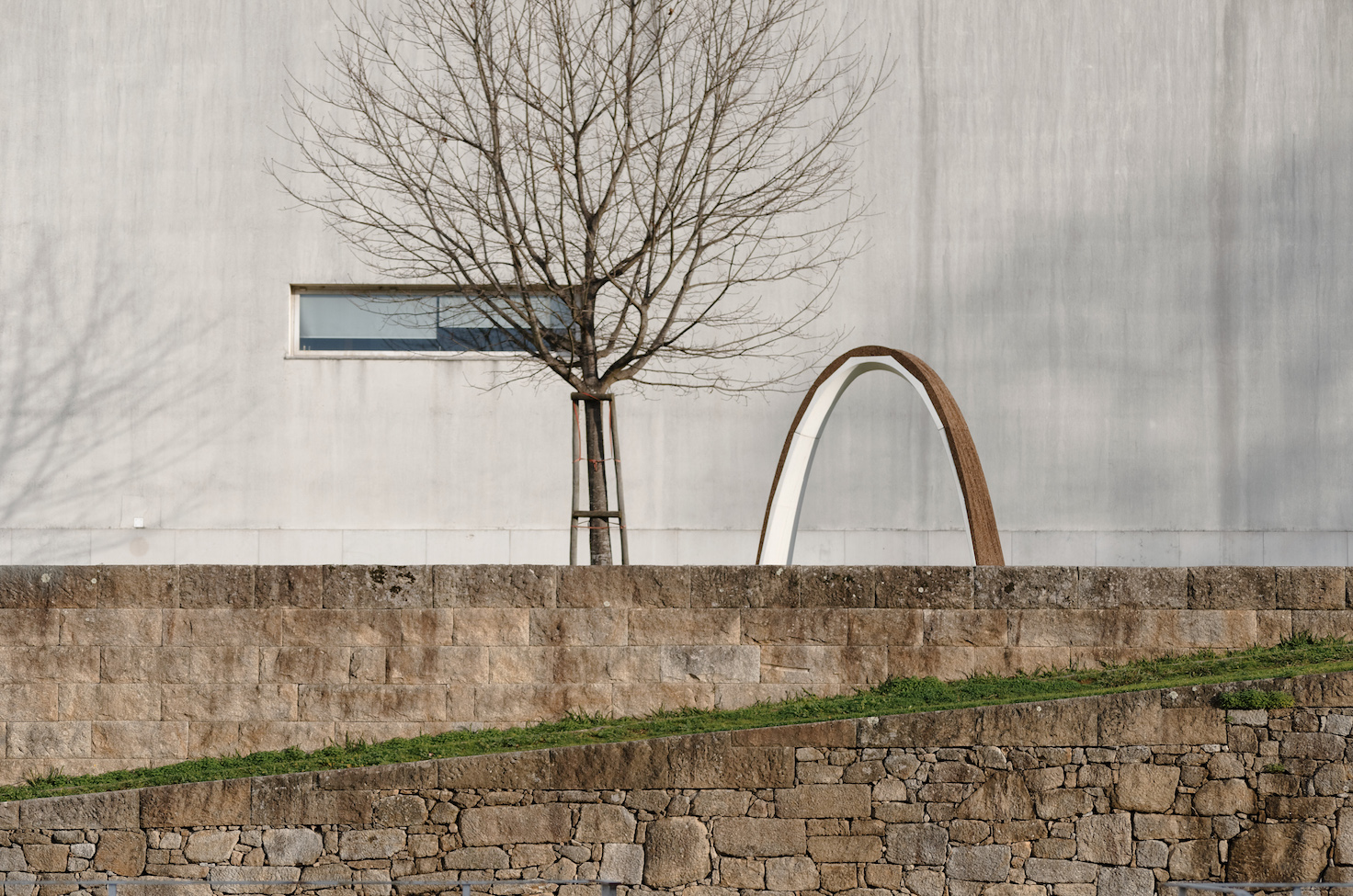
An experiment within the DFL.
Project coordination: José Pedro Sousa
Design team: Pedro de Azambuja Varela, Pedro Martins
Photographs: Carlos de Albuquerque Castro
The Post-Tensioned Stereotomic Arch explores how natural stone can be reintroduced into contemporary construction through a combination of historical stereotomic principles and digital design workflows. At a time when reinforced concrete and steel remain major contributors to global carbon emissions, the project investigates compression-based structural systems that rely on low-impact materials with minimal transformation. Stone, […]
This paper focuses on the development of a BIM (Building Information Modeling) tool for stereotomic design, aiming to create a bridge between academic research and practical implementation of stereotomy in the construction sector. The creation of a stereotomic BIM tool enhances the use of compressive materials within funicular shapes to minimize reliance on carbon-intensive steel-reinforced […]
In June 2020 I defended my PhD thesis entitled “Reconstruction of a Stereotomy – for a multi-semantic stereotomic approach”. The PDF document has Open Access and can be download in Universidade do Porto website here. https://sigarra.up.pt/faup/pt/NOTICIAS_GERAL.VER_NOTICIA?p_nr=69842 Abstract: Stereotomy is the classic body of knowledge which deals with stonecutting for building arch like structures. The interest […]
Pick Grasshopper components directly from their preview geometry in the Rhino viewport. About GHPick GHPick provides reverse selection between the Rhino viewport and Grasshopper. In large Grasshopper definitions, finding which component is responsible for a particular piece of preview geometry can mean searching across a large canvas. GHPick reverses that workflow: start from the geometry […]
This is the video stream of short talk I gave in Vienna. The talk was about an experience developed at the DFL with José Pedro Sousa, about the possible digital flow in architecture projects that deal with stone heritage. Original video stream here: https://mh-engage.ltcc.tuwien.ac.at/engage/ui/watch.html?id=b1661030-702d-11e5-a8be-2fc2b39fc1bd
Architectural models are usually very good at representing space and rather bad at representing time. We can model a wall, a roof or an entire building in detail, but it is much harder to ask a simple historical question: what existed here in 1700? Historical Time is a small experimental add-on I developed for Blender. […]
Architecture project by Pedro de Azambuja Varela This is an ongoing project for the reconversion of an old barn into a house. It is located in a private rural property, and the strategy lies in respecting the traditional construction techniques while adapting them to a contemporary look.
This screen was designed together with Joana Fraga for Pearl Cork. It uses solid cork agglomerate, and is a modular design, so it can grow endlessly.
Presentation in the Digital Darq event. Showcase of personal research on cork stereotomies.
Final thesis of the Architecture course at Faculdade de Arquitectura da Universidade do Porto.
All content © Copyright 2026 by Pedro de Azambuja Varela.
Subscribe to RSS Feed